
DIY vs. Professional Smoke Damage Cleanup in Alsip, IL
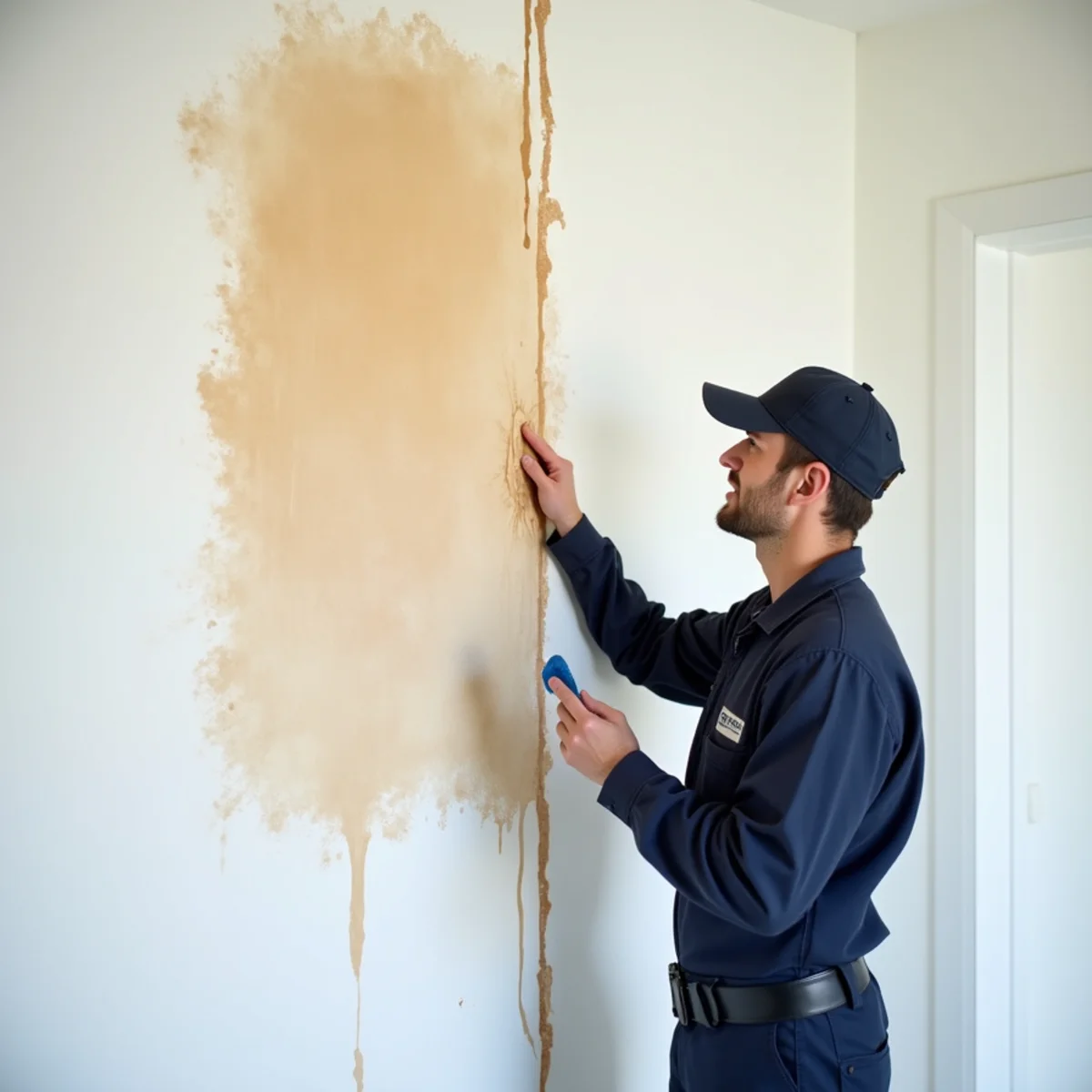
Attempting DIY smoke cleanup after a fire in Alsip often causes permanent surface staining, spreads microscopic soot into HVAC ducts, and voids insurance claim line items. Professional restoration combines vulcanized rubber chemical sponges, negative-air HEPA filtration, and thermal fogging to safely eliminate toxic particulate matter without smearing. Call Sears Park Smoke Damage Experts at (407) 956-1738 for safe restoration.
DIY vs. Professional Restoration Comparison
- Surface Cleaning: DIY wet sponges smear oily soot deep into drywall pores; Pros use dry vulcanized chemical sponges and alkaline counter-agents.
- Air Scrubbing: Household vacuums exhaust ultrafine PM2.5 soot back into the air; Pros deploy sealed negative-air machines with 99.97% HEPA filtration.
- Odor Neutralization: Store-bought sprays mask odors temporarily; Pros use hydroxyl oxidation and thermal fogging to destroy odor molecules.
- HVAC Care: Running house furnace circulates contaminants throughout the home; Pros decontaminate trunk lines and blowers under negative pressure.
- Insurance Payouts: DIY labor is rarely compensated by carriers; Professional Xactimate scopes ensure full dwelling coverage reimbursement.
- Health & Safety: DIY exposure risks inhaling carcinogens (benzene, acrolein); Pros wear Level C PPE with P100 organic vapor respirators.
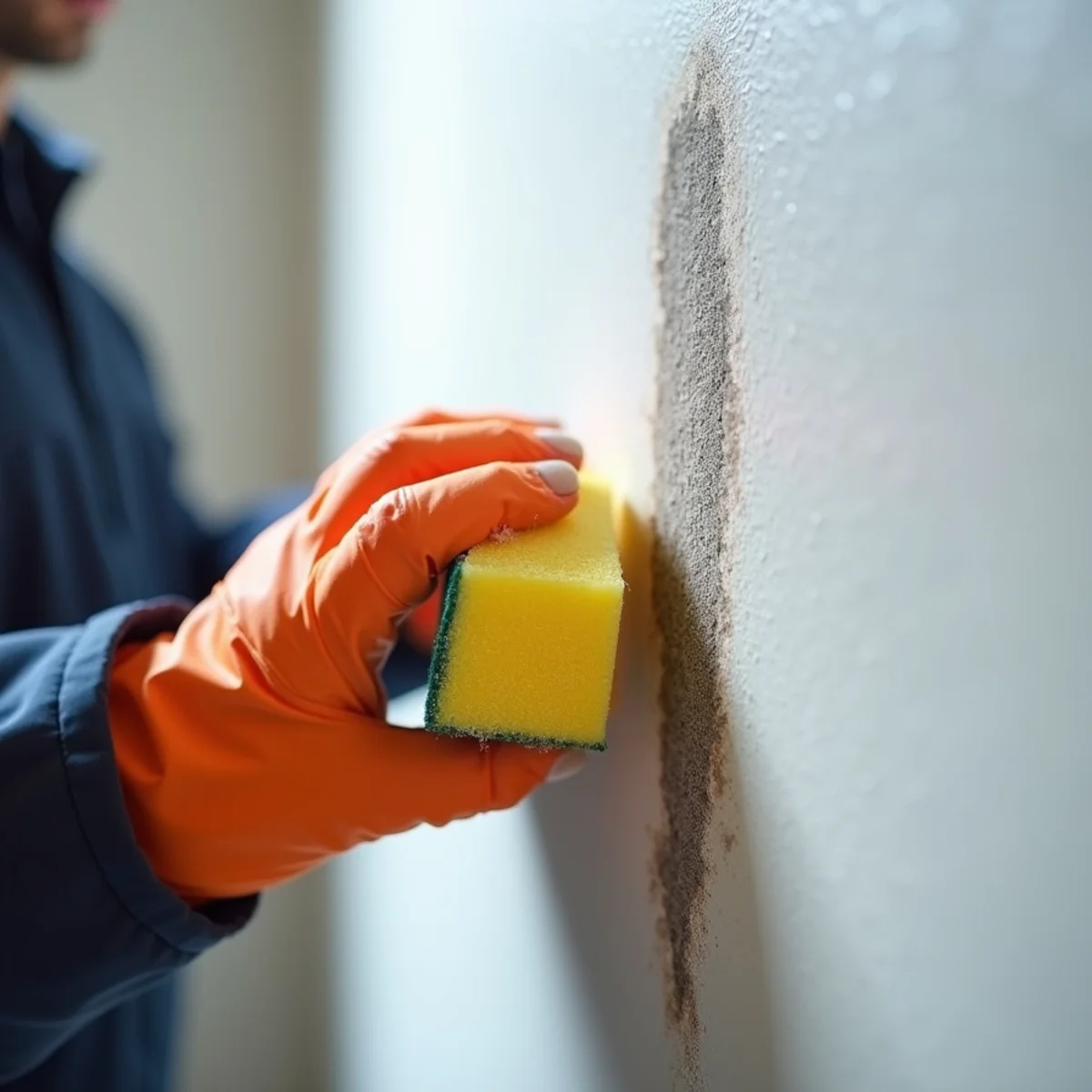
“The single most expensive phone call we receive is from a well-intentioned homeowner who spent the weekend trying to wash black soot off painted walls with warm water and dish soap. Water-based washing dissolves water-soluble binders in paint while emulsifying oily soot, forcing corrosive black carbon deep into the drywall gypsum core. Once that happens, the drywall cannot be cleaned or encapsulated—it must be torn out and replaced at three times the cost.”
The Chemistry of Soot: Why Household Cleaners Cause Irreversible Damage
When facing a soot-blackened living room after a fire, the immediate human instinct is to grab a bucket of warm water, household degreaser, and a cellulose sponge. Unfortunately, applying standard consumer cleaning techniques to combustion soot is the single most destructive mistake a property owner can make.
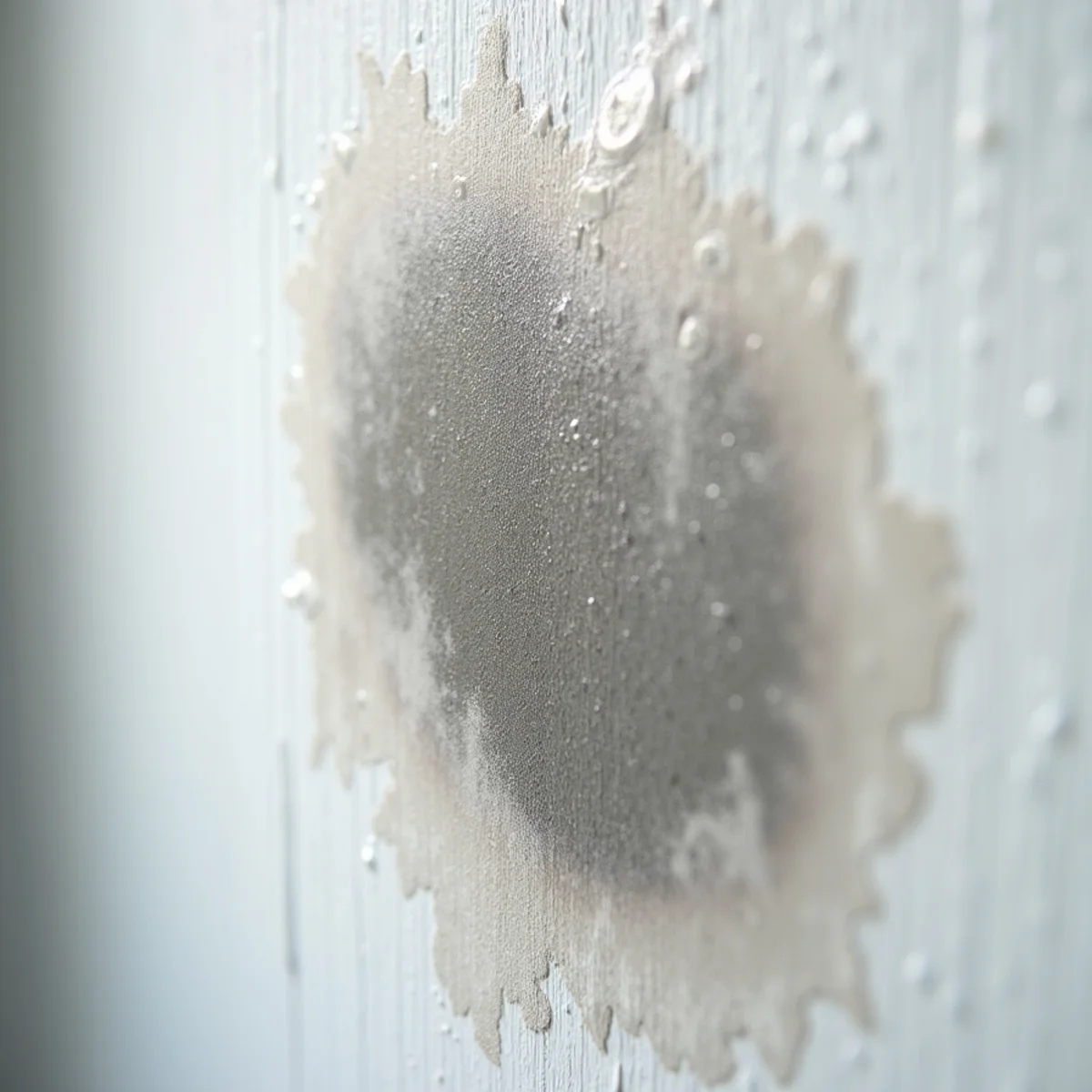
Soot is fundamentally different from everyday household soil. It consists of microscopic carbon particles bonded with volatile organic compounds, synthetic plastic polymers, and acidic chemical residues produced when modern building materials combust. When you apply water or consumer detergents to dry soot, two catastrophic chemical reactions occur:
1. **Emulsification into Porous Paint:** Water-based detergents emulsify oily soot, converting powdery surface dust into a liquid slurry. This slurry penetrates deep into the porous binder layer of interior latex paint and the gypsum core of drywall, locking carbon pigments permanently into the wall substrate. 2. **Acid Activation & Chemical Etching:** Combustion residues containing sulfur dioxide and chlorine convert upon contact with water into dilute sulfuric and hydrochloric acids. This accelerated acidic reaction immediately attacks the clear coat on hardwood floors, pits chrome faucets, and permanently yellows fiberglass tubs.
Certified restoration professionals follow the strict IICRC S700 Standard: soot must first be removed entirely in a dry state using specialized vulcanized rubber chemical sponges before any wet cleaning chemistry is introduced. Learn more about our technical approach to [smoke and soot removal](/smoke-and-soot-removal/).
The Invisible Danger: Ultrafine PM2.5 and Consumer Vacuum Disasters
Another frequent DIY catastrophe is attempting to clean soot-covered carpets, baseboards, or furniture using a household upright vacuum (such as a Dyson, Shark, or Bissell) or a shop vacuum. While these machines perform adequately for standard household debris, they are disastrously ill-suited for fire particulates.
Combustion soot particles are extraordinarily small, ranging from 0.1 to 1.0 micron in diameter—far smaller than pet dander or pollen. Household vacuum exhaust filters and paper shop-vac bags cannot trap particles of this microscopic size. As a result, the vacuum pulls soot from the carpet and immediately atomizes it out the exhaust port at high velocity, transforming localized floor soot into a dense, suspended aerosol that coats every wall, ceiling, and drapery throughout the house.
Furthermore, inhaling these airborne ultrafine PM2.5 particulates poses acute health risks. Soot contains known carcinogens, including polycyclic aromatic hydrocarbons (PAHs), dioxins, and benzene. Professional restorers employ commercial negative-air scrubbers and industrial HEPA vacuums certified to capture 99.97% of particles down to 0.3 microns under continuous negative pressure, safeguarding both indoor air quality and occupant respiratory health.
Hardware Store Ozone & Fogger Rentals: Critical Safety and Ineffectiveness Risks
Desperate to eliminate pungent smoke odor, many homeowners rent consumer ozone generators or room foggers from local equipment rental shops. Operating these machines without professional certification is both physically dangerous and structurally damaging.
* **The Toxicity of Uncontrolled Ozone:** Ozone (O3) is a powerful, unstable oxidant that is classified as a toxic pulmonary irritant by the EPA. When operated at levels high enough to neutralize smoke odor, ozone severely damages lung tissue in humans and pets. Furthermore, excess ozone chemically degrades natural and synthetic rubbers—causing electrical wire insulation inside walls to turn brittle and crack, degrading carpet underlayment, and breaking down furniture foam into sticky, toxic debris.
* **The Flaws of Rental Thermal Foggers:** Proper thermal fogging requires heating specialized solvent-based odor counteractants to exact vaporization temperatures, matching the precise micron size of the original smoke particles so the neutralizing agent can follow the identical penetration pathway. Over-the-counter water misters produce massive droplets that merely soak drywall without reaching trapped odors.
Sears Park Smoke Damage Experts utilizes advanced hydroxyl generation technology for [residential smoke damage restoration](/residential-smoke-damage/). Hydroxyl generators mimic atmospheric cleansing cycles by producing safe free radicals that neutralize VOCs on contact, allowing deodorization to take place safely without off-gassing hazardous byproducts.
The Financial Equation: The True Cost of DIY Failures vs. Insurance Coverage
Homeowners who attempt DIY smoke cleanup almost always do so to save money. However, an objective cost analysis reveals that DIY remediation is consistently the more expensive route.
Consider the financial balance sheet:
* **The Cost of DIY Ruined Finishes:** When DIY water-washing smears soot across a 300-square-foot living room, painting over the smeared residue requires specialized shellac sealing or complete drywall tear-out. Replacing ruined drywall, baseboards, and repainting easily costs $3,500 to $6,000. * **The Insurance Reality:** Under standard Illinois homeowners policies, your insurance carrier covers 100% of the reasonable and necessary cost of professional IICRC-certified restoration after your deductible. Whether the final professional restoration bill is $4,500 or $14,000, your personal out-of-pocket financial liability is fixed strictly to your deductible (often $500 to $1,500). * **The DIY Claim Trap:** Insurance carriers do not pay homeowners for their own DIY cleaning hours at commercial contractor rates. If a homeowner attempts self-cleaning and accidentally ruins surfaces, insurance adjusters may dispute coverage for the secondary damage caused by homeowner negligence. Serving homeowners across [Worth](/service-areas/worth-il/) and [Midlothian](/service-areas/midlothian-il/), our team provides full claim advocacy with [smoke damage repair and cleanup](/repair-and-cleanup/).
When Can a Homeowner Safely Clean Up? The Strict Rule of Thumb
While major smoke cleanup demands professional equipment and training, there are specific, limited tasks that property owners can safely handle while awaiting professional dispatch:
* **Safe for Homeowners to Address:** - Washing smooth, non-porous glass, ceramic, or glazed dinnerware located inside closed, uncharred cabinets using warm water and dish soap. - Taking dry, lightly scented clothing from closets outside the fire zone directly to a professional dry cleaner specializing in smoke restoration. - Ventilating the home by opening windows if the outdoor air is dry and warm, provided the Alsip Fire Department has granted official scene clearance.
* **Must Be Left Strictly to Certified Professionals:** - Any cleaning of painted drywall, plaster walls, or acoustic ceiling tiles. - Operating or vacuuming forced-air HVAC supply vents, return air grilles, and furnace blowers. - Cleaning electrical appliances, television screens, and kitchen microwaves. - Attempting to scrub unsealed wood cabinets, upholstered furniture, or mattresses.
When in doubt, protect your property and your insurance settlement by calling Sears Park Smoke Damage Experts at (407) 956-1738 for an immediate emergency consultation.
Need Professional Fire Restoration in Alsip?
Our 24/7 emergency response crews mobilize immediately with HEPA scrubbers, thermal foggers, and direct insurance billing.