
Smoke Damage Cleanup Cost Breakdown: What Sets the Price
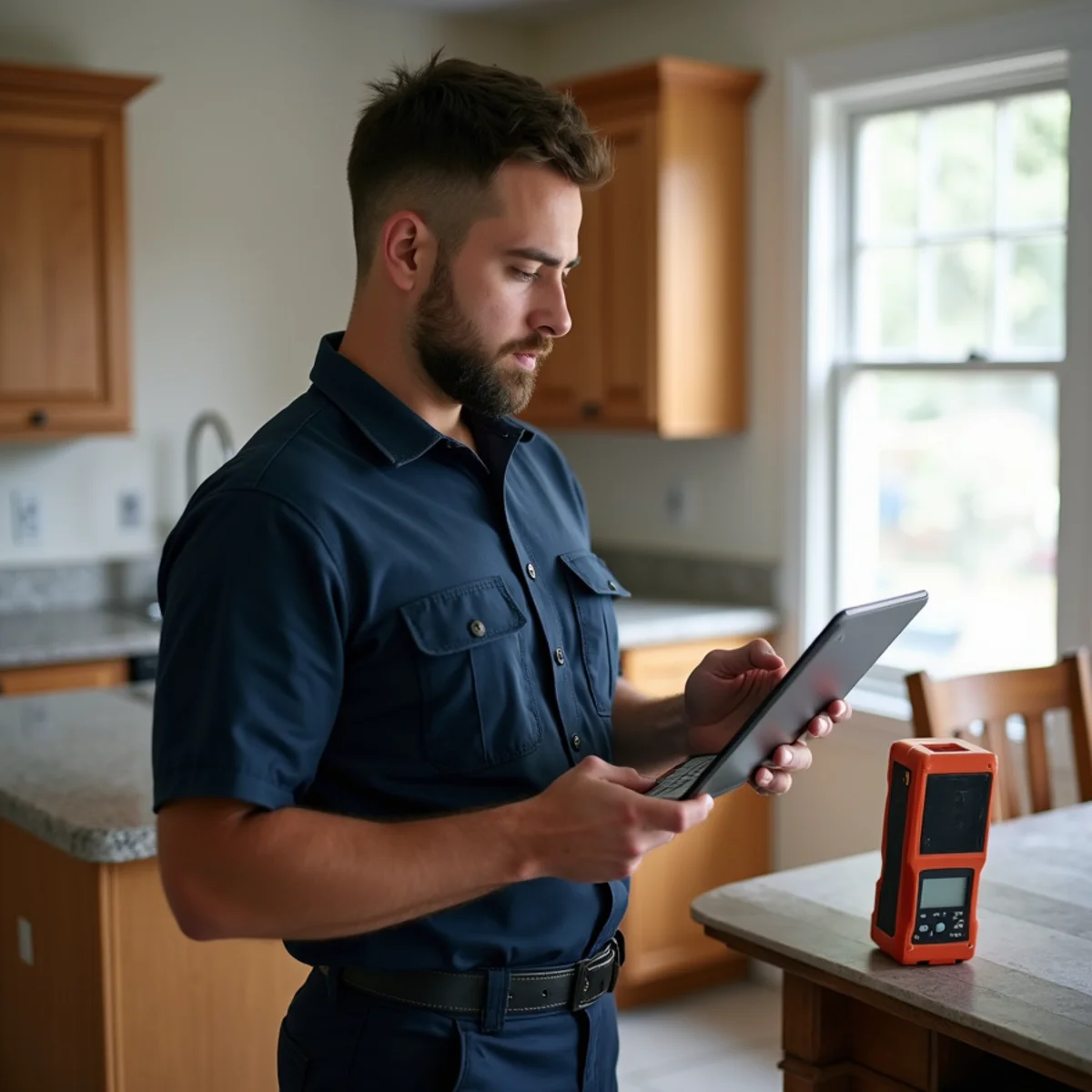
Smoke damage cleanup costs in Alsip typically range from $2,500 to $6,000 for minor to moderate furnace puffbacks or localized kitchen incidents, and from $8,000 to over $25,000 for multi-room or heavy structural soot. Key cost drivers include soot chemistry, drywall encapsulation versus replacement, and HVAC duct decontamination. Call Sears Park Smoke Damage Experts at (407) 956-1738 for an itemized Xactimate assessment.
Key Cost Drivers in Smoke Damage Restoration
- Soot Residue Type: Protein and wet synthetic smoke require intensive chemical washing compared to dry wood soot.
- Square Footage and Ceiling Height: Vaulted ceilings and multi-level floor plans increase scaffolding and labor hours.
- Surface Porosity: Unfinished wood framing, blown-in attic insulation, and acoustic tiles often require removal rather than cleaning.
- HVAC Decontamination: Whole-house forced-air duct cleaning, sanitizing, and coil restoration prevent secondary re-contamination.
- Deodorization Technology: Deploying industrial hydroxyl generators and thermal fogging units across affected cubic footage.
- Insurance Deductibles: Homeowners typically pay only their policy deductible ($500 to $2,500) on covered losses.
“When homeowners ask about smoke restoration pricing in Alsip and surrounding South Suburbs, we emphasize that delay is the fastest driver of escalating costs. Leaving soot on painted walls and polished hardware for more than 48 hours allows acid compounds to permanently pit metals and etch glass, converting a straightforward chemical wash into expensive surface replacement. Early containment and stabilization freeze your restoration costs.”
Typical Cost Ranges: Minor, Moderate, and Severe Smoke Incidents in Cook County
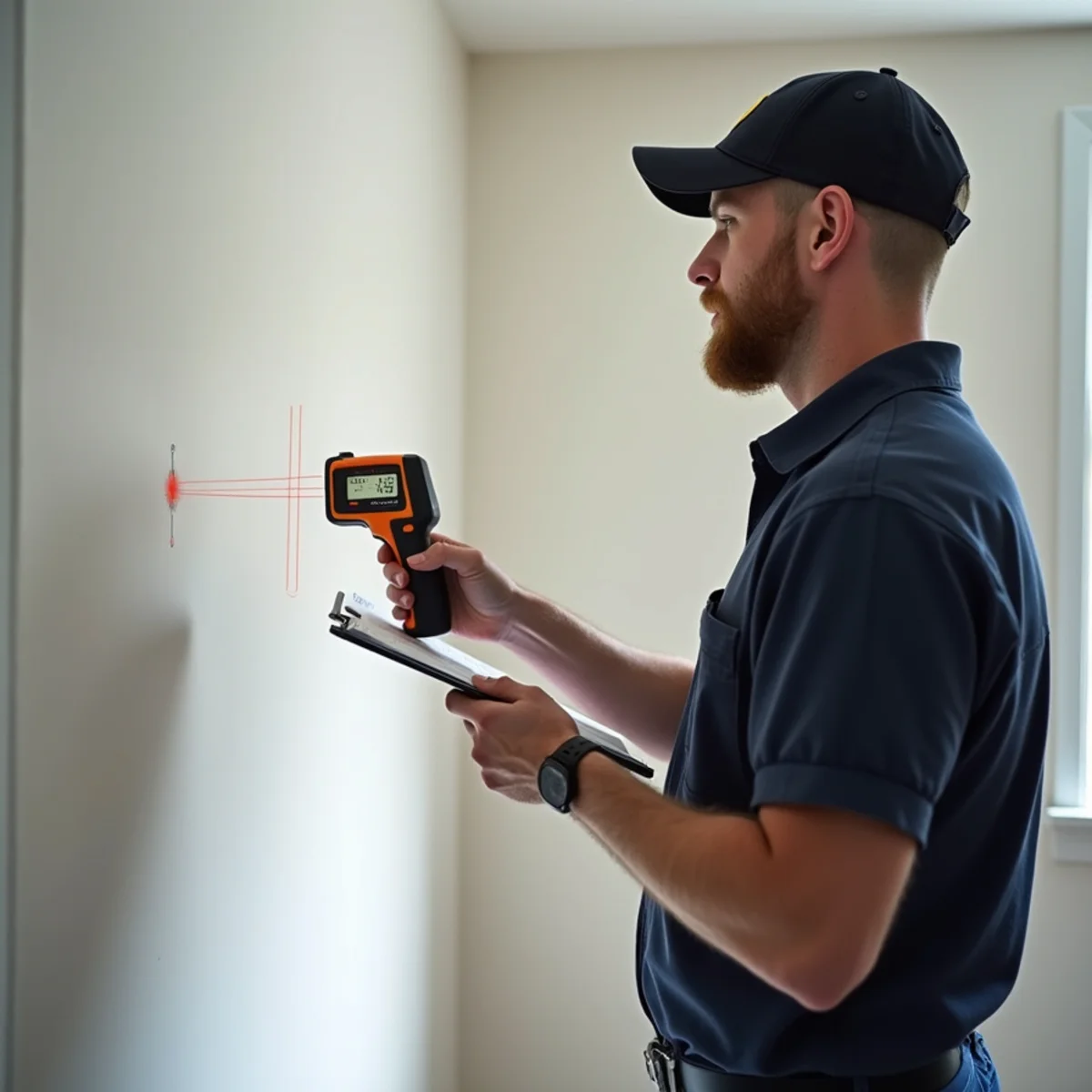
When property owners in Alsip face fire or smoke damage, understanding the financial scope of remediation is a primary concern. Smoke restoration is rarely a one-size-fits-all service; costs vary widely depending on the scale of contamination, building layout, and the depth of soot penetration. In the Chicago South Suburbs, restoration projects generally fall into three distinct cost tiers:
1. **Minor Localized Smoke Damage ($1,500 to $3,500):** This category includes minor furnace puffbacks, contained stovetop flare-ups, or candle soot confined to one or two rooms. Restoration focuses on dry sponge surface cleaning of walls and ceilings, HEPA vacuuming of upholstery, localized air scrubbing, and minor surface deodorization. Structural tear-out is typically unnecessary.
2. **Moderate Multi-Room Smoke Damage ($4,000 to $9,500):** Commonly resulting from electrical fires, extinguished kitchen fires that generated dense smoke, or furnace blowouts that circulated soot through HVAC vents. Work involves deep chemical washing of multiple rooms, comprehensive duct cleaning, thermal fogging deodorization, hydroxyl generator treatments over 48 to 72 hours, and sealing affected drywall with pigmented shellac primers.
3. **Severe Structural Fire and Smoke Damage ($10,000 to $30,000+):** When an active structure fire requires fire department suppression, smoke penetrates deep framing cavities while firefighting water floods subfloors. Projects in this category require emergency board-up, water extraction, complete demolition of charred drywall and insulation, structural timber soda blasting, full HVAC reconstruction, and comprehensive build-back.
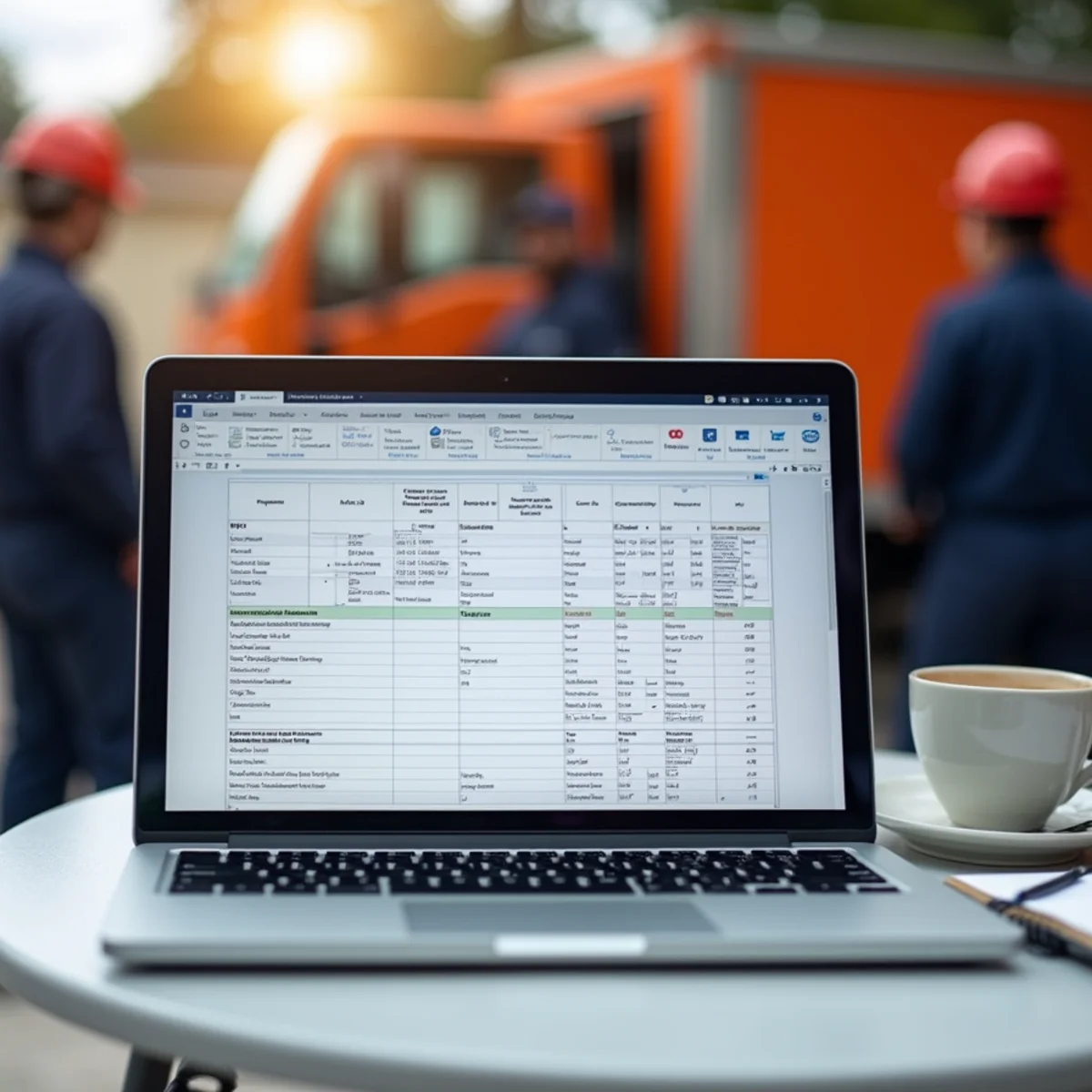
Because these variables are extensive, reputable restoration companies rely on standardized estimating software rather than arbitrary guesswork.
Soot Chemistry & Labor Intensity: Why Residue Type Dictates Pricing
A critical determinant of your restoration bill is the chemical composition of the soot deposited throughout the home. Different combustible materials yield radically different residues, each requiring specific labor procedures and chemical solvents:
* **Dry Smoke Soot:** Produced by fast-burning, high-temperature fires fueled by paper, wood framing, or cardboard. Dry soot leaves a fine, powdery residue that does not smear easily. Technicians can clean dry soot relatively quickly using specialized vulcanized rubber chemical sponges and industrial HEPA vacuums, keeping labor expenses on the lower end of the spectrum.
* **Wet Smoke Residue:** Generated by low-heat, smoldering fires burning synthetic polymers, rubber, foam cushions, or plastics. Wet soot is dense, oily, black, and extremely sticky. Attempting dry vacuuming merely smears the grease across surfaces. Technicians must perform slow, multi-stage chemical washes using specialized alkaline soot neutralizers, degreasers, and multiple rinse cycles, significantly increasing total technician labor hours.
* **Protein Residue:** Originating from burnt meat, cooking oils, or grease fires, protein soot is nearly invisible, leaving an amber-yellow film that bakes into painted cabinets and woodwork. Despite its subtle appearance, protein smoke produces an overpowering, sickening odor that requires intensive chemical washing and prolonged odor neutralization.
Understanding these distinct behaviors is central to our [smoke and soot removal](/smoke-and-soot-removal/) methodology, ensuring that the correct chemical approach is selected from day one to avoid costly surface damage.
Structural Encapsulation vs. Drywall Replacement: Cost Trade-Offs
One of the most consequential decisions affecting the final restoration invoice is whether smoke-affected drywall, trim, and subflooring can be preserved through cleaning and encapsulation or must be completely demolished and replaced.
When soot has coated drywall surfaces without severe heat degradation or moisture softening, restoration is significantly more economical than demolition. Certified technicians execute a detailed surface remediation protocol: dry chemical sponging, HEPA vacuuming, and application of a commercial-grade vapor-barrier sealing primer—such as white pigmented shellac (Zinsser B-I-N). This primer creates an impenetrable molecular seal that permanently locks microscopic smoke molecules inside the drywall core, preventing odor breakthrough during humid summer months. Encapsulation typically costs between $1.20 and $2.50 per square foot of surface area.
Conversely, when intense heat has compromised drywall gypsum integrity, or when water from fire hoses has saturated insulation batts inside exterior walls, encapsulation is impossible. The wet and charred materials must be cut out, bagged, and hauled to Cook County disposal facilities under controlled containment. Replacing drywall—including hanging, taping, multi-coat mudding, sanding, texture matching, and two coats of premium paint—ranges from $3.50 to $6.50 per square foot. Our estimators evaluate structural substrates carefully during [smoke damage repair and cleanup](/repair-and-cleanup/) to recommend the most cost-effective path forward.
HVAC Duct Cleaning and Whole-Home Deodorization Expenses
In Alsip and neighboring communities like [Blue Island](/service-areas/blue-island-il/) and [Worth](/service-areas/worth-il/), forced-air heating and air conditioning systems are the primary vector for whole-house smoke contamination. When a fire occurs while the blower motor is running, or when hot smoke drafts into return air registers, the entire duct network becomes coated with toxic soot.
Failing to decontaminate the HVAC system means that every time the furnace or air conditioner cycles on, soot particles and burnt odors are blown back into freshly cleaned living areas. Complete HVAC decontamination includes:
* High-pressure compressed air whip agitation and rotary brush mechanical scrubbing of all supply and return trunk lines. * Connecting the ductwork to high-velocity negative-air extraction units running at 2,500 to 5,000 CFM with multi-stage HEPA filtration. * Chemical wash and antimicrobial fogging of the evaporator coil, blower wheel, burner assembly, and heat exchanger. * Whole-system HVAC decontamination typically ranges from $1,200 to $2,800 depending on home layout and number of zones.
Simultaneously, ambient deodorization requires commercial equipment deployment. Sears Park Smoke Damage Experts operates industrial hydroxyl generators and thermal foggers. Hydroxyl generators safely produce atmospheric free radicals that dismantle odor compounds at a molecular level over 48 to 72 hours, costing roughly $200 to $400 per machine day, while ensuring your family returns to clean, breathable air. Learn more about our specialized [HVAC fire damage cleaning](/fire-damage-restoration/hvac-cleaning/) protocols.
How Insurance Adjusters Calculate Costs Using Xactimate Line Items
Most homeowners are surprised to learn that reputable fire restoration contractors do not invent arbitrary prices for smoke cleanup. Instead, the restoration industry and property insurance carriers utilize **Xactimate**, an objective pricing database updated monthly with hyper-local labor rates, equipment rental fees, and material costs specific to Cook County and the greater Chicago metropolitan area.
When our certified estimators inspect your property, we generate a comprehensive line-item estimate detailing exact quantities and unit costs:
* Linear footage of baseboards detached and reset. * Square footage of ceilings HEPA vacuumed and chemically washed. * Hours of negative-air scrubber operation. * Number of dry chemical sponges and gallons of odor-neutralizing solutions consumed. * Square footage of subfloor thermal fogging and antimicrobial treatments.
Because this estimate uses the identical format, unit rates, and coding systems required by major insurance adjusters (including State Farm, Allstate, American Family, and Farmers), the claim approval process proceeds smoothly. In covered insurance losses, your out-of-pocket financial liability is typically limited strictly to your deductible—often between $500 and $2,500—while your carrier funds the balance under dwelling (Coverage A) and personal property (Coverage C) provisions.
Need Professional Fire Restoration in Alsip?
Our 24/7 emergency response crews mobilize immediately with HEPA scrubbers, thermal foggers, and direct insurance billing.